

5 Best Organic Fertilizers for Curry Leaf Plant to Make Bushy & Healthy
.By Voice Of Roots
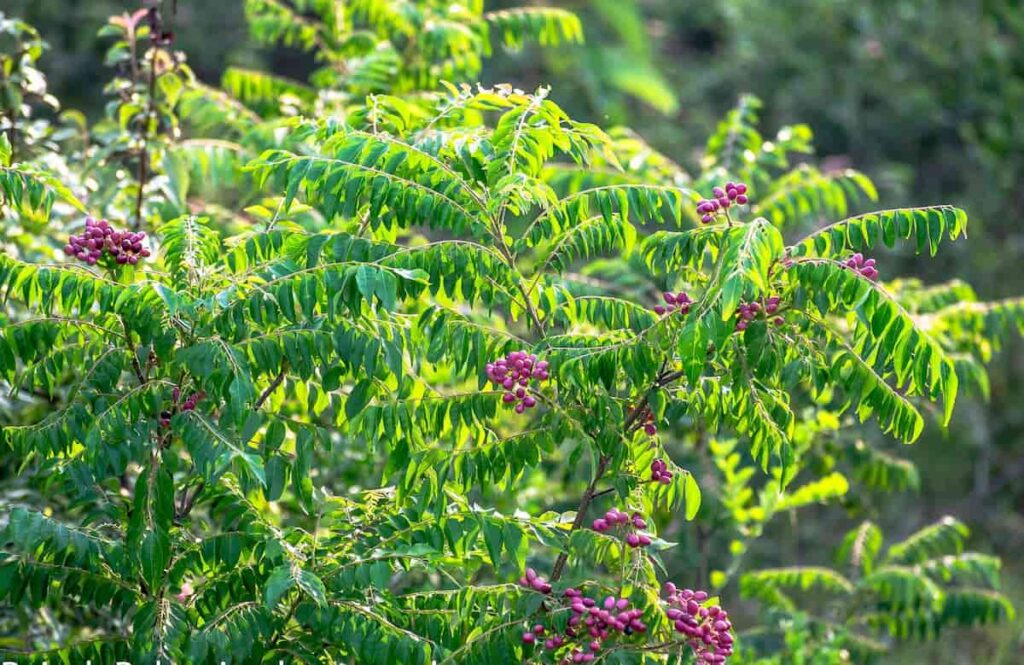
Curry leaf plants ( Murraya koenigii) are some of the most important herbs in any kitchen around the world, especially Indian. They are also famous for their fully aromatic leaves which add flavor to a myriad of dishes ranging from curries to soups. This makes them one of the most sought after plants in domestic gardens. Also, growing a robust curry leaf plant is not just a matter of sticking it in sun and hoping for the best. Like all plants, it needs love and care, including proper, fertilized soil to support its growth.
Curry leaf plants are some of the most finicky herbs and if you have been trying to make yours more bushy and productive, you are not the only one struggling. Balancing the nutritional demands of these delicate plants can be a daunting challenge for many gardeners. In this article, we will discuss the five best fertilizers for curry leaf plants that will help you achieve that lush, bushy plant you’ve always wanted
Feeding Curry Leaf Plants: A Nutritional Approach
It’s critical to know the nutritional requirements to understand the best fertilizers to use. Every plant depends on three nutrients for optimal growth: nitrogen(N), phosphorus(P), and potassium(K). For their development, these nutrients are essential in different ways:
- Potassium (K):
Boosts the plant’s resistance to disease and pests while enhancing the ability to produce essential oils, the compound that gives the curry leaf its unique fragrance.
- Phosphorus (P):
Supports root development, flowering, and fruiting. While not in the traditional sense, curry leaf plants don’t bear fruit, but phosphorus still supports their health.
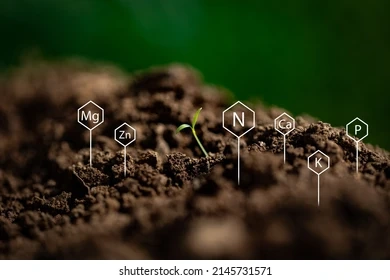
- Nitrogen (N):
Promotes healthy, green leaves. Since curry leaf plants are valued for foliage, nitrogen is vital.
- Micronutrients : Calcium, magnesium, sulfur, and trace elements such as iron, manganese, and zinc. Maintaining these essential nutrients in balance with each other will guarantee a curry leaf plant of not only good health but also good quality leaves.
1. Cow Dung Cake Fertilizer
Using organic cow dung as fertilizer is one of the most ancient traditions in agriculture. The cow dung in cake form is a nutrient reservoir that can benefit your curry leaf plant in myriad ways.

Why Choose Cow Dung Cake Fertilizer?
Like all organic fertilizers, this one comes from a biological waste product and is cow dung nutritious. The cow dung will improve the soil structure pores and water holding ability, aiding herd root expansion and giving vigorous plants. Also, the curry leaves and other plants will soak up using the cow dung to their fullest potential.
Application of Cow Crud Cakes Fertilizer You can utilize cow dung by first breaking the cow dung cakes into small chunks and then placing them in the soil as mulch around the base of your curry leaf plant. The chunks should be thoroughly blended with the soil to increase breakdown. You can also make a liquid form of fertilizer by soaking the cow cake in water for 3-4 days, then using the water to irrigate the plant.
Best Time To Apply
This fertilizer should be applied while the plant is actively growing (spring and summer) and during the periods when the plant is producing new foliage. Don’t apply during cold periods because it may put the plants under stress.
2. Mustard cake fertilizer
Mustard cake is a waste from oil extraction from mustard seeds, and it is pretty useful as an organic fertilizer for curry leaf plants. Its relatively high nitrogen, phosphorus, and potassium content ensures that it supports a plant’s general health.
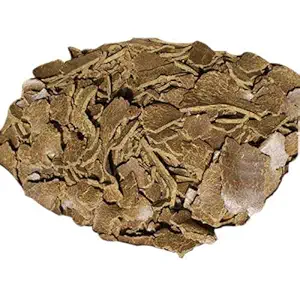
What Makes Mustard the Best Option
Because it contains lipstick, which aids in the growth of leaves, and phosphorus, which helps in the development of the roots, mustard is very rich in nutrients. It allows the curry leaf plant’s health without drowning it in too much nutrients. The mustard cake is a well-balanced fertilizer
Best Method to Apply Mustard Cake Fertilizer
Treat the cake mix as solid by crumbling it down and inserting it into the soil near the base of the plant to apply solid application. Simply soak the cake in the water for the liquid form and then apply it to a bon eye arbor.
What Time Should/Shouldn’t Use the Product Using mustard late in the warm season can throw the plant off balance by overheating and, therefore, not conducive to a healthy diet. The heater comes on at ideal temperatures in spring and fall, saying it’s time to turn the lights on.
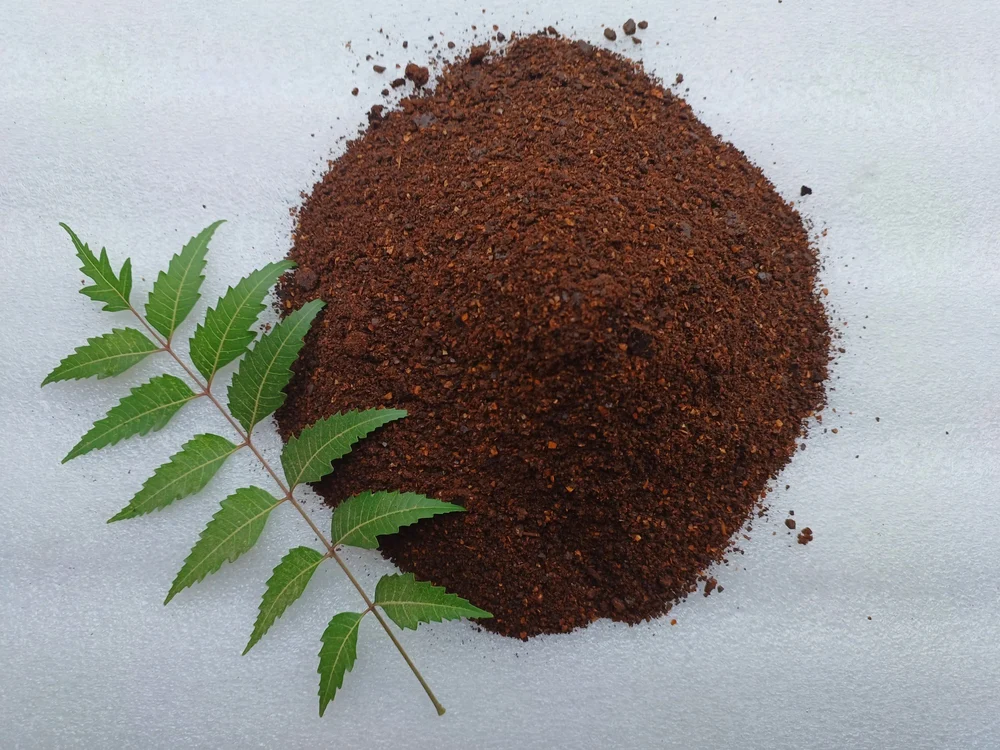
3. Neem Fertilizer Cake
In addition to having nutrient-rich content, neem cake is power-packed with ingredients such as the residue of the neem tree’s seeds, which were used to extract the oil. These contribute to the natural imbalance and healing agent for pests and diseases, along with protecting the curry leaf plant.
Why Select Neem Cake Fertilizer?
Neem cake enhances soil biological activity while containing high quantities of nitrogen and other vital micronutrients. It also aids in soil health by improving its organic matter content, enhancing its nutrient and water holding capacity. Did you know that neem cake also serves as an organic pest repellent? It protects your curry leaf plant from aphids, mealybugs, spider mites, and other common pests.
In What Manner Should You Apply Neem Cake Fertilizer?
In the case of your curry leaf plant, all you have to do is incorporate neem cake at the base of the plant and mix it with the soil. Alternatively, you may prepare a neem cake fertilizer in liquid form by combining the cake in water and using the solution to moisturize your plant. The soluble form of neem will directly supply nutrients to the roots of the plant.
When Is It Most Appropriate to Apply? It was said that neem cake’s application should be one-time before the monsoon season, wherein it will help reduce both plant disease and soil pests. It can also be applied during the growing season to suppress insect infection.
4. Seaweed Fertilizer
Seaweed fertilizer comes from marine plants and is one of the organic fertilizers that contain many nutrients and trace elements. In addition, it does contain growth hormones, which encourage root development and enhance plant health.

Benefits of Seaweed Fertilizer
Seaweed fertilizers contain numerous beneficial micro-nutrients such as calcium, magnesium, and iron, which aid in the growth of the plants. They also have natural hormones, auxins, and cytokinins that help in plant development, supporting root growth, enhancing leaf quality, and increasing the ability to withstand stress.
Application of Seaweed Fertilizer
Seaweed fertilizers are mostly packaged in liquid form, making them easy to use. You can mix the solution with water per the guidelines and pour it on the soil around the curry leaf plant. Another method to apply seaweed fertilizer is through foliar spray, which allows the plant to take up nutrients through its leaves.
Ideal Timing for Application
The optimum timing for applying seaweed fertilizer would be during the growing season, particularly when the plant is sprouting new growth. It can also be utilized effectively after heavy rainfall as it helps the plant recover from stress due to loss of essential nutrients.
5. Fish Emulsion Fertilizer
A fish emulsion is a water-based fertilizer made of fish byproducts and is widely used for organic gardening due to its rich nutritional content. It is exceptionally high in nitrogen which aids significantly in boosting the growth of green leaves!

Application of Fish Emulsion Fertilizer
Nutritional needs of plants can be met by either pouring the emulsion into the soil or spraying it onto their leaves. It is recommended that the fish emulsion concentrate be diluted with water to the manufacturer’s specifications.
Application Timeframe
The optimal timing to apply fish emulsion is during a plant’s growth season. Using the emulsion during the dormancy phase may lead to excessive foliage development with a concurrent decline in root growth.
Benefits of Fish Emulsion Fertilizer
Emulsion made from fish is a swift fertilizer that encourages rapid growth. It is rich in nitrogen, phosphorus, and other trace elements needed for curry leaf plants that require extra nutrition. The fertilizer is effective at improving soil structure as well as root development
Guidelines for Optimal Health of Curry Leaf Plant
In addition to applying the proper fertilizers, following these recommendations can enhance the health of the curry leaf plant.
1. Cut Back After Flowering: To develop a bushy structure, a plant needs to be pruned. Trimming dead and leggy branches will encourage new growth, making the plant bushier.
2. Hydration: It is essential not to let the water sit in the pot, as curry leaf plants like to have their soil well-drained. Furthermore, water the plant deeply, as the soil must dry between watering sessions.
3. Soil Care: Enrich the soil’s nutrients by adding organic materials such as compost and vermicompost, improving the soil’s texture.
In Summary
Maintaining a robust and healthy curry leaf plant may be labor intensive, but it is possible with the proper care. The recommended fertilizers include cow dung, mustard and neem cakes, seaweed, and fish emulsion, all of which are excellent for sustaining the growth and vibrancy of the foliage because they provide a well-rounded nutrient mix. Focusing on the listed fertilizers and applying them at the proper intervals will prepare the plant to provide a plentiful supply of fresh leaves throughout the growing season, which is helpful for various dishes. Enjoy gardening from Voice of Roots!