
Epsom Salt for Houseplants: What You Need to Know
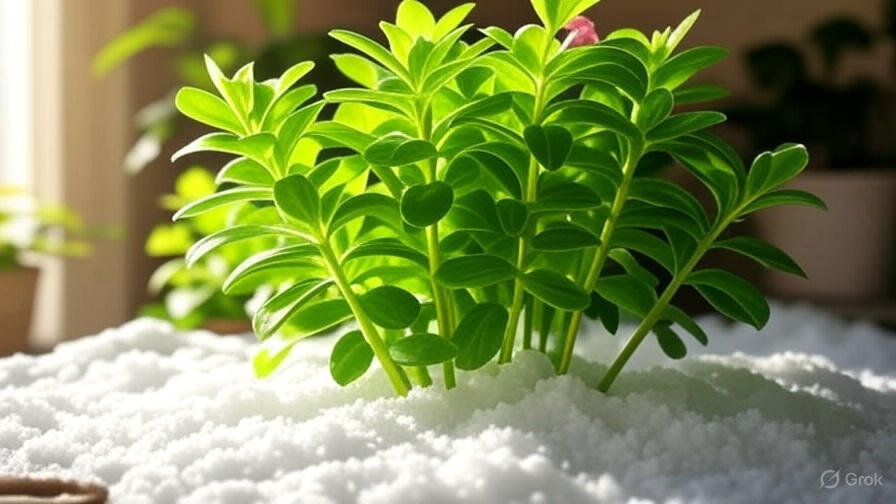
In the Epsom salt form, Magnesium is provided. For indoor plants, Epsom salt can help in more blooming. It can also aid in the determination of the ideal amount of nip and tuck required.Indoor plants serve as decorations in our spaces and help make the room more lively as they fight against carbon dioxide and purify the air while providing some peace of mind.The approach some owners that have or are looking for a guide to propagate their plants is to focus on their water and expose them to sunlight in excess. Fertilization can aid in alleviating stubborn and pesky plants. Epsom salts can stiffen or toughen cellulose plant tissues while permitting them to expand in height and dampen toppings. Temp water can swell-based foams, which in turn leads to more gaps turning from a solid to a liquid state. Salt can also assist in crushing out school-like formations, which makes fertilizers easier to release into pores and thus change how they bloom.
Let’s take a look into why plant-caring lovers over every guggle or vine should get their doze of bet and all the humongous buzz coming in. You might be interested in taking care of bored-looking robotic friends who reside over your window rise and intervene to unmanned rooms.
What is Epsom Salt?
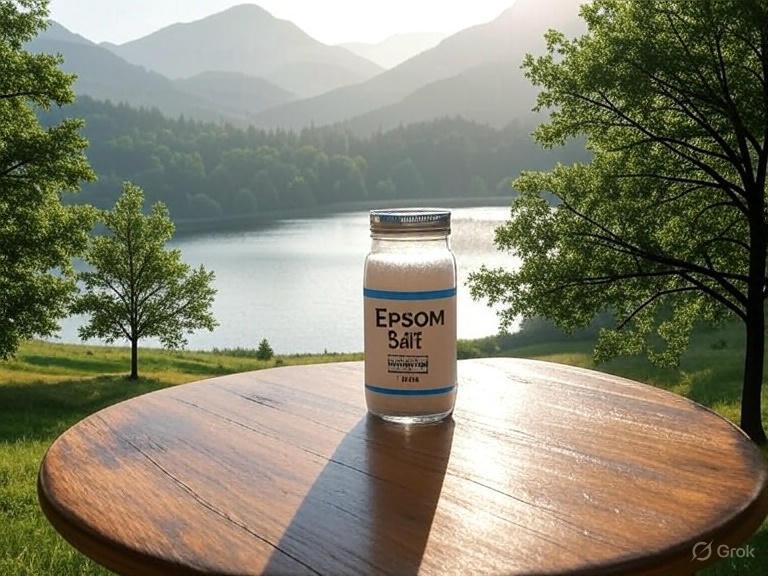
Epsom salt is the name given to the hydrated mineral epsomite, which is magnesium sulfate (MgSO₄) in water and crystal form. This mineral compound is usually found in the spring and was discovered in England in the town of Epsom, where it was first found near a bitter spring. It is only a crystal in nature and water-soluble. Hence, it is easy for plants to absorb when mixed with water.
While most people associate Epsom salt with sore muscles, almost everyone has used it in gardening at least once. This is because it has rich deposits of sulfur and phosphorus, making magnesium sulfate Epsom salts rich in plant health.
Key Components of Epsom Salt
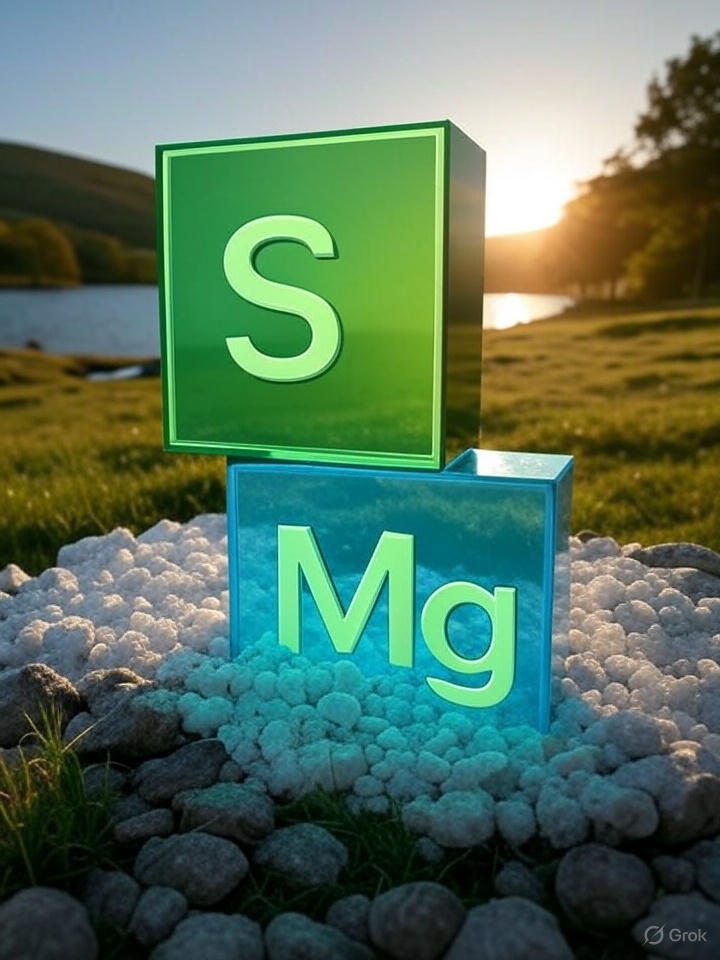
Magnesium (Mg): This element is critical to the plant's health. Chlorophyll is a form of green pigment in plants, and this container holds chlorophyll; thus, photosynthesis gives out energy from sunlight. Heading to this, magnesium will also contribute its functions in activating a number of enzymes. Plant metabolism also gives out nutrients, thus enabling absorbable nutrients.
Sulfur (S): It would not be an exaggeration to state that every novel life-form contains amino acids, but they will need some Epsom salt to unlock these bonds – in the form of sulfur. Vitamins A, B, and other enzymes or staples can provide an edge to aid with synthesis, without which health cannot be achieved. Further, the presence of oils, flowers, herbs, enhanced oils, and aromatic compounds can improve the fragrance, too, as long as sulfur is there.
Plants are richly colored and have vibrant green foliage as indoor plants because magnesium and sulfur are potent sources of ensuring optimal rich growth and green coloration.
Plants are richly colored and have vibrant green foliage as indoor plants because magnesium and sulfur are potent sources of ensuring optimal rich growth and green coloration.
How Does Epsom Salt Benefit Indoor Plants?
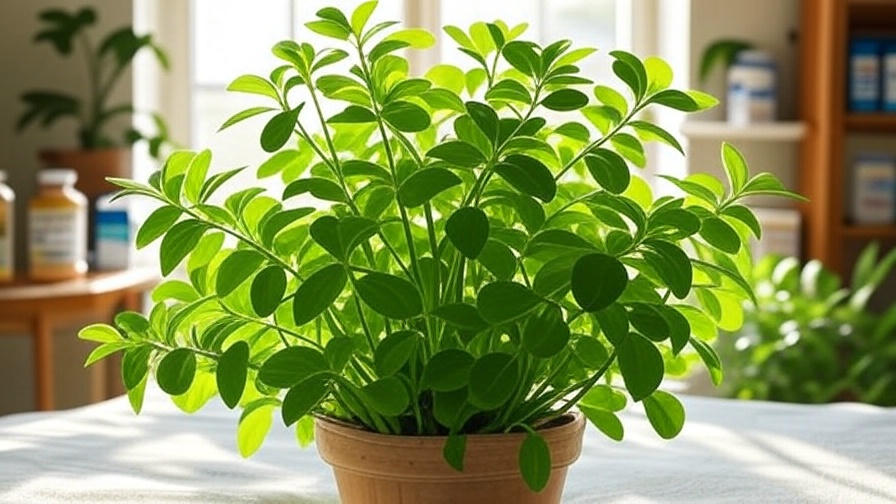
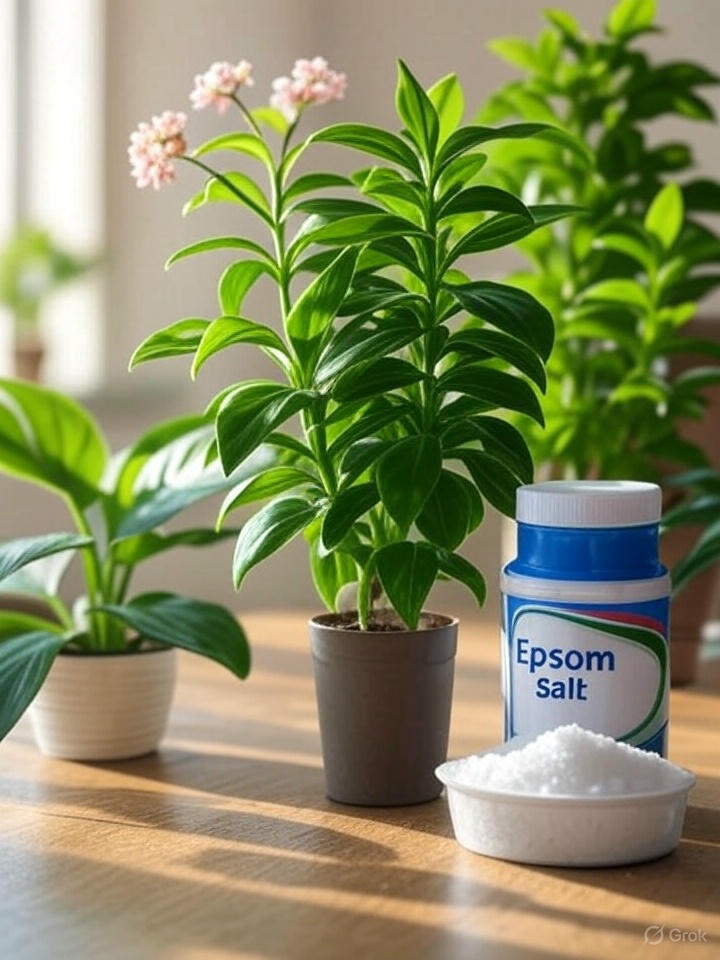
The use of Epsom salt has multiple purposes including averting concerns or plant issues. For best practices, knowing how these tools can be useful is important when including them for the first time in your plant-caring arsenal without planning risks in advance. The following list provides explicit examples of how Epsom Salt further enhances and helps cater to plants.
1. Enhances Nutrient Uptake
Plants are often supplemented with seasoning, specifically Epsom salt, due to the present magnesium, which helps those plants gain more important nutrients such as nitrogen, phosphorus, and potassium. While macronutrients are present in bulk in most growing plants, these elements are still crucial lesser elements, unlike are provided in such a massive amount. Without magnesium, that plant is bound to face issues of fully capitalizing on provided resources.
A magnesium-rich soil will provide high availability of nutrients and macronutrients specific for salts and contributes to a vast amount of nutrition and metabolism increase, leading to effortless nitrogen starving, hence vigorous, apt for speeding cell dividing plants.
2. Promotes Lush, Green Foliage
The dark green edges on leaves are created using chlorophyll fix as a pigment. Magnesium is infused in cells containing chlorophyll, aiding to properly fortify the green woods inside provided, hence creating phenomenal properties that allow wigs to intensify darker foliages over time, leading to flourishing jazz-like show in cross-boarded ZZ plants are also a prime example of these beauties.
If your plant’s leaves are yellowing or losing their vibrant color, it might indicate that it is low on magnesium. In situations like this, applying Epsom salt should remedy the problem since it provides magnesium to the plants, restoring the green pigmentation.
3. Improves Flowering and Fruit Production
Epsom salt aids boost the blooming capabilities of flowering indoor plants like African Violets and Geraniums as well. The sulfur aspect found in Epsom salt is key in the production of oils and vitamins that are essential for the flowers to bloom. Plants high in sulfur use Epsom salt to produce more fragrant flowers and fruits. This makes the salt ideal for gardeners looking to improve the blooming potential of their plants.
Plants like tomatoes and peppers can benefit from Epsom salt since it facilitates the improvement in the size and quality of the fruit. While the salt does not magically grow the fruit, it will help sustain the plant during its growing season.
4. Enhanced Resilience Of A Plant
Epsom salt can assist in improving a plant's ability to guard itself against damaging pests, diseases, and harsh external temperatures. The magnesium inside the salt greatly aids a plant in preserving its cell structure, making it less prone to external damage.
Epsom salts can allow indoor plants with different light levels and exposure to dry air to grow healthier by helping them cope with these stresses.
5. Enhances Root Development
Good roots are essential for a plant’s health and vigor. Epsom salt encourages nutrient absorption and, subsequently, root growth. It strengthens roots by aiding in magnesium; thus, the plant can grow a more extensive root system, which is important for long-term health.
Epsom salt can be helpful for young plants as well as for repotting plants by enabling faster acclimatization to new surroundings.
How to Use Epsom Salt in Indoor Plants
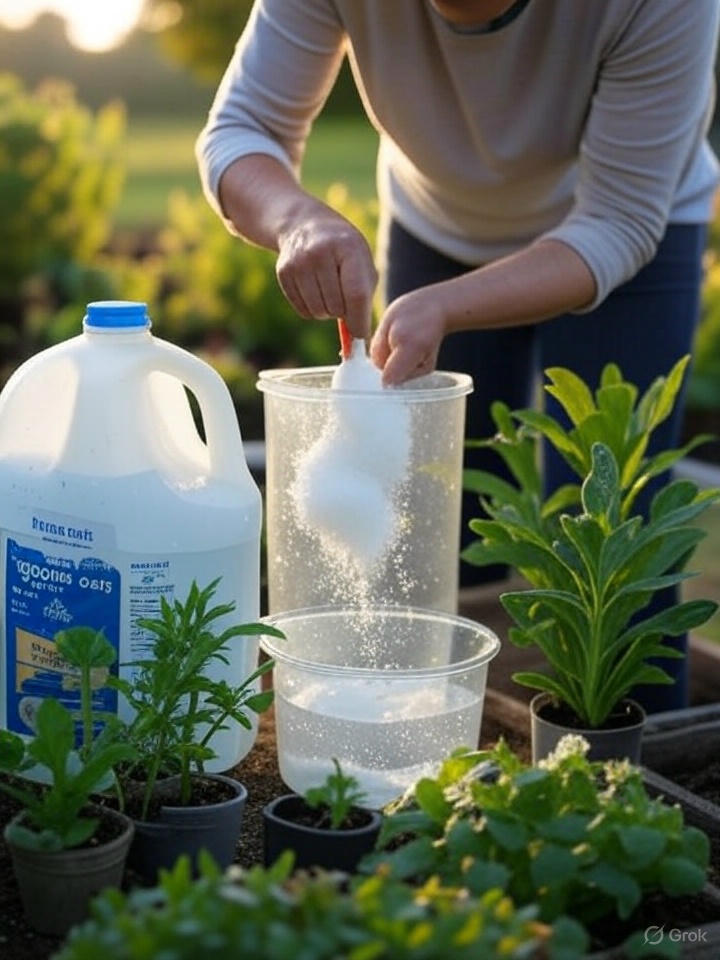
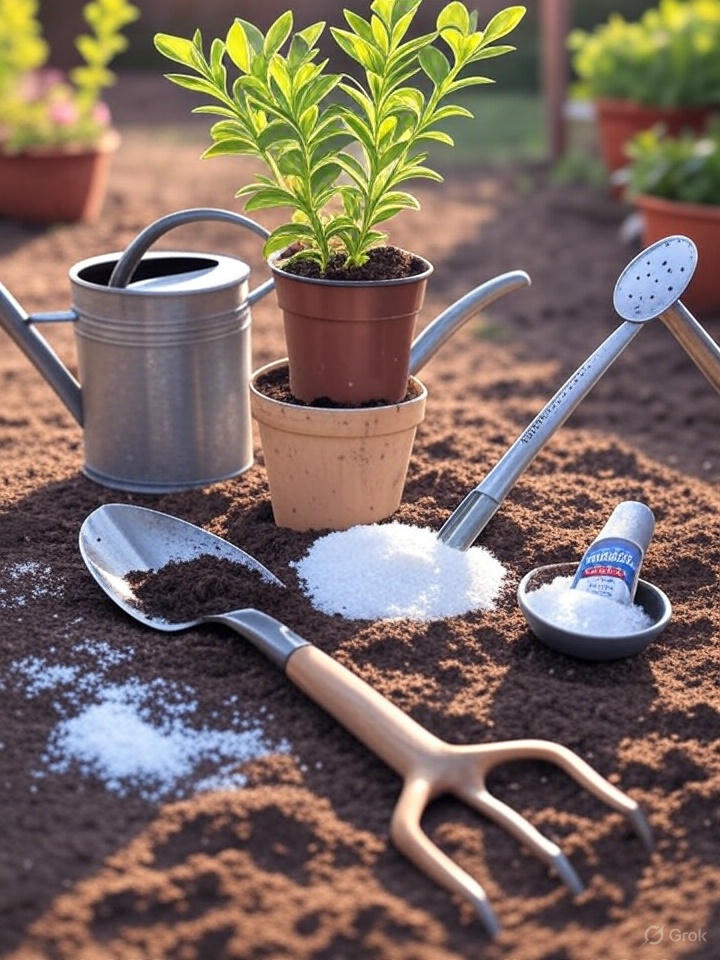
Adding Epsom salt to your indoor plant care regime can be helpful, but it can also harm the plants if overused or improperly used. Effectively, Epsom salt can be applied using two methods.
1. Epsom Salt Water Solution (Liquid Fertilizer)
This is undoubtedly the easiest way to use Epsom Salt with your indoor plants. Epsom salt is dissolved in water and is then absorbed by soil and leaves.
Instructions:
- Combine one tablespoon of Epsom salt with 1 gallon of water.
- Make sure to stir thoroughly until salt dissolution takes place.
- Water your plants by either soaking the soil or spraying the leaves. A foliar spray works, too.
For foliar spraying:
Mist leaves with the solution in a spray bottle. This allows direct nutrient absorption through the plant's pores. Wear cooler temperature clothes around the evening or morning while doing it to avoid the possibility of leaf burning caused by midday sunlight exposure.
2. Adding Epsom Salt to the Soil
Combine magnesium and sulfur with magnesium sulfate to enrich single elemental compounds and boost the nutrition for enhanced magnesium and sulfur deficiency. Supercharge soil-bound container plants by adjusting the soil's nutrient
profile. Older plants already established will benefit from greater doses of accentuated slow-release derivatives, capturing large amounts of magnesium and sulfur.
Instructions:
- Loosen the soil around the base of the plant.
- Add Epsom salt to the soil as follows: 1 tablespoon for larger pots and ½ tablespoon for smaller pots.
- Dissolve and distribute soil over the glass for uniform water coating while thoroughly breaking salt granules alongside pulverized roots.
This approach is perfect as a supplement for plants that are struggling with nutrient supply shortages or require some assistance during their growth period.
As with any other practice, apply caution while using Epsom salt for indoor plants, as there are several potential problems that could arise from its misuse. These are the most important considerations you should pay attention to:
1. Avoid Overuse
Epsom salt is unhealthy to use for plants if the dosage is not controlled. Magnesium is critical for any plant to thrive, but too much can also become poisonous, especially to your plant. In particular, excess magnesium can block pathways to calcium and potassium, leading to severe nutrient shortage. Do not apply Epsom salt too regularly, and abide by set dosages.
2. Frequency of Application
Applying Epsom salt to your indoor plants on a 6 to 8-week cycle during their active seasons (Spring and Summer) should be enough. Monthly applications during the rest seasons can be skipped, especially during the plant's dormancy period in winter.
3. Symptoms of Overuse
Always look for signs indicating that your plants might have received an overdose of Epsom salt. The symptoms of magnesium toxicity can include yellowing leaves, stunted growth, or leaves curling. In such cases, stop using Epsom immediately and flush the soil with plain water to help leach out some of the salt build-up.
Conclusion
Overall, Epsom salt is an amazing and natural herb that could positively impact not only the growth but also the health and well-being of indoor plants; its capacity to enhance the uptake of nutrients, foliar growth, flowering, and fruiting, as well as strengthening roots make it beneficial for every plant care routine. But just like any other supplement, it should be controlled to avoid overconsumption and nutrient imbalance.
With the right application of Epsom salt, indoor plants can be given that extra nudge to enable them to thrive. Whether it is trying to rescue a plant that looks dull and unappealing or one that is healthy but would benefit from promoting healthy growth, Epsom salt acts as a great add-on to a plant care toolkit.
Thus, the next time you find your indoor plants looking a bit tired and drab, grab the Epsom salt and get ready for your plants to flourish!